


Start With the Light in Your Great Falls Home
Color is mostly light. Great Falls sits at 3,300 feet under an enormous sky, and the light here is brighter and bluer than most paint chips were designed for. South-facing rooms get warm, intense sun most of the day; north-facing rooms get a cool, steady light that pulls every color toward gray. Then winter arrives, the sun drops low, snow bounces blue light in through the windows, and a color that looked perfect in August feels cold in January.
So the first question on a walkthrough is always which way the windows face and how the room is used. A north-facing bedroom wants warmth built into the color. A south-facing living room can handle a cooler tone without feeling chilly. Rooms you live in at night, under warm bulbs, shift warm and yellow — which flatters some neutrals and turns others muddy.
Whites and Neutrals That Don't Go Cold in Winter
Most Great Falls interiors end up in a white or a neutral, and most of the regrets we hear about are the same: a bright white that looked crisp in the store and clinical on the wall, or a trendy cool gray that turned into a blue cave by December. The fix is warmth.
- Soft, warm whites — a white with a little cream or a hint of gray-beige — stay clean-looking in summer and welcoming in winter. They're our default recommendation for trim and ceilings too.
- Greige (gray-beige) works in almost every Great Falls room because it has enough warmth to survive north light and enough gray to look current.
- True cool grays belong in bright south-facing rooms with lots of warm wood or textiles to balance them. In a north room they'll read blue.
- Earthy mid-tones — sage, clay, mushroom — are popular here and hold up well in changing light. They're also forgiving on textured walls.
If you're painting cabinets, the same rule holds: a slightly warm white looks like a new kitchen; a stark white can look like a hospital under LED strip lights. See the cabinet painting page for how we sample a door before the whole kitchen.
Exterior Colors That Survive Great Falls Sun and Wind
Outside, the light question becomes a durability question. High-altitude UV breaks down dark pigments quickly, and Great Falls has a lot of sun. A charcoal or navy body color can look fantastic the first summer and noticeably chalky on the south wall by the third. That doesn't mean don't do it — it means choose a top-tier exterior line rated for fade resistance, and know the south and west sides will need attention first.
- Mid-tone bodies — warm grays, tans, sage greens, muted blues — hide dust and wind grit, fade gracefully, and suit the ranch and split-level housing stock here.
- Trim in a warm white or cream reads crisp from the street without the harsh contrast of a pure white against a mid-tone.
- Doors are the place for color. A deep red, a bold blue, or a black door gives you the drama with a surface small enough to repaint in an afternoon.
- Look at the roof and the neighbors. A gray shingle roof and brown brick both narrow the palette; a color that fights them never looks right.
Historic homes in Belt, Fort Benton, and Helena's older neighborhoods often want a period-appropriate scheme — two or three colors picking out trim and details. We'll help you find one that suits the house's age.
Choosing the Right Sheen for Each Surface
Sheen changes how a color looks and how it wears. Great Falls' dry air and bright light make higher sheens show roller marks and wall flaws more than they would in a humid, dim climate, so we steer most walls to the lower-middle of the range.
- Flat / matte for ceilings and low-traffic bedrooms — hides texture and flaws, hard to wash.
- Eggshell for most walls — a soft glow, wipes clean, forgiving on knockdown and orange peel.
- Satin for kitchens, bathrooms, kids' rooms, and hallways — more scrubbable, slightly more reflective.
- Semi-gloss for trim, doors, and cabinets — hard, durable, and it makes the detail work pop.
- Exterior — satin on siding, semi-gloss on trim and doors; flat only on stucco or masonry.
Testing Colors Before You Commit
No chip, app, or screen replaces paint on the wall. Buy sample pots of your two or three finalists, paint each one in a two-foot square on the wall it's going on — one near a window, one in a darker corner — and live with them for a couple of days. Look in the morning, at midday, and at night under your own bulbs. The right one is usually obvious by the second evening.
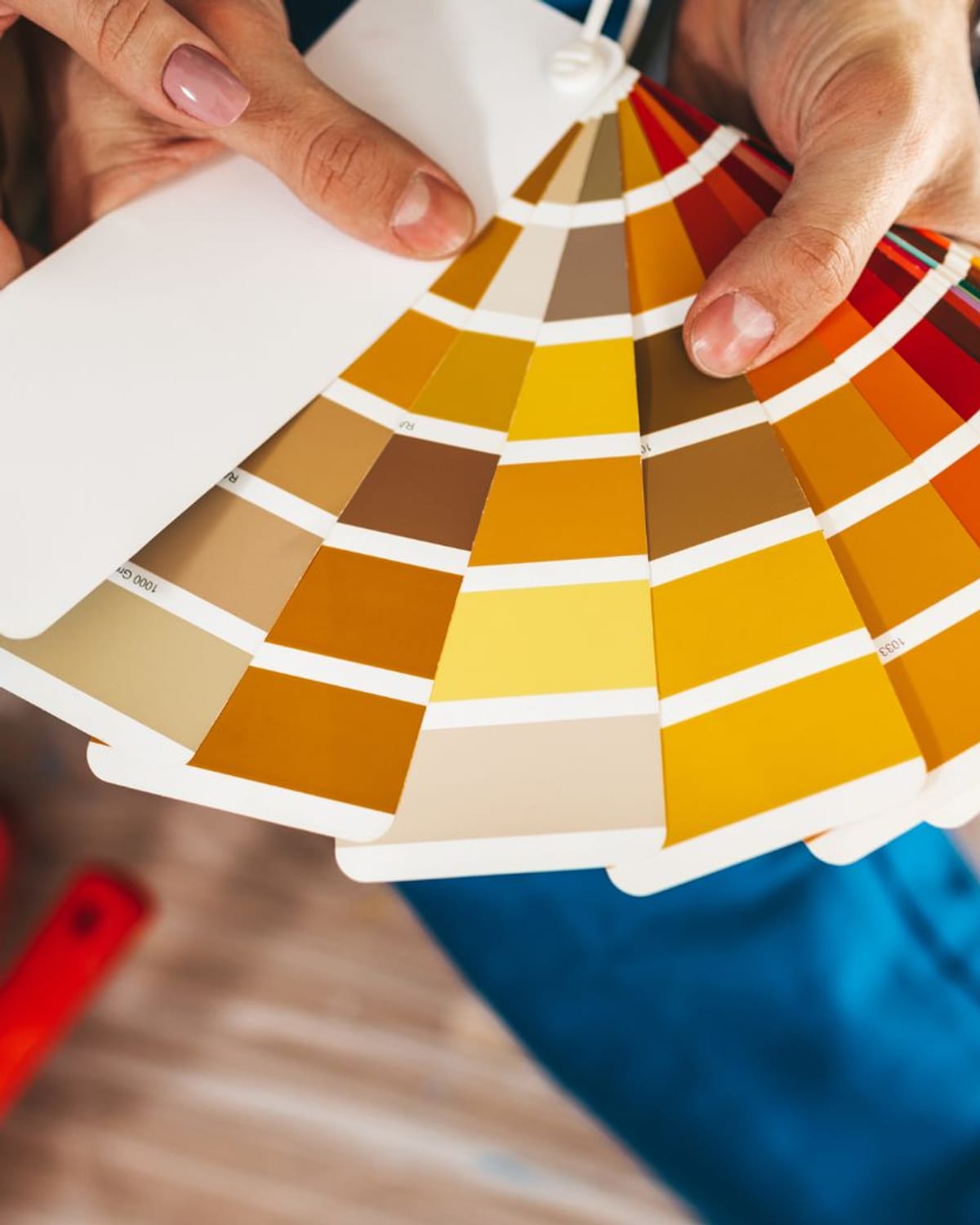
On a walkthrough we'll do this with you: bring a fan deck, narrow it to a few options based on the room's light, and put samples up. If you already have a color you love from a friend's house or a magazine, we'll match it. Then it's just a matter of scheduling — and our guide to timing a paint job in Montana covers that next step.